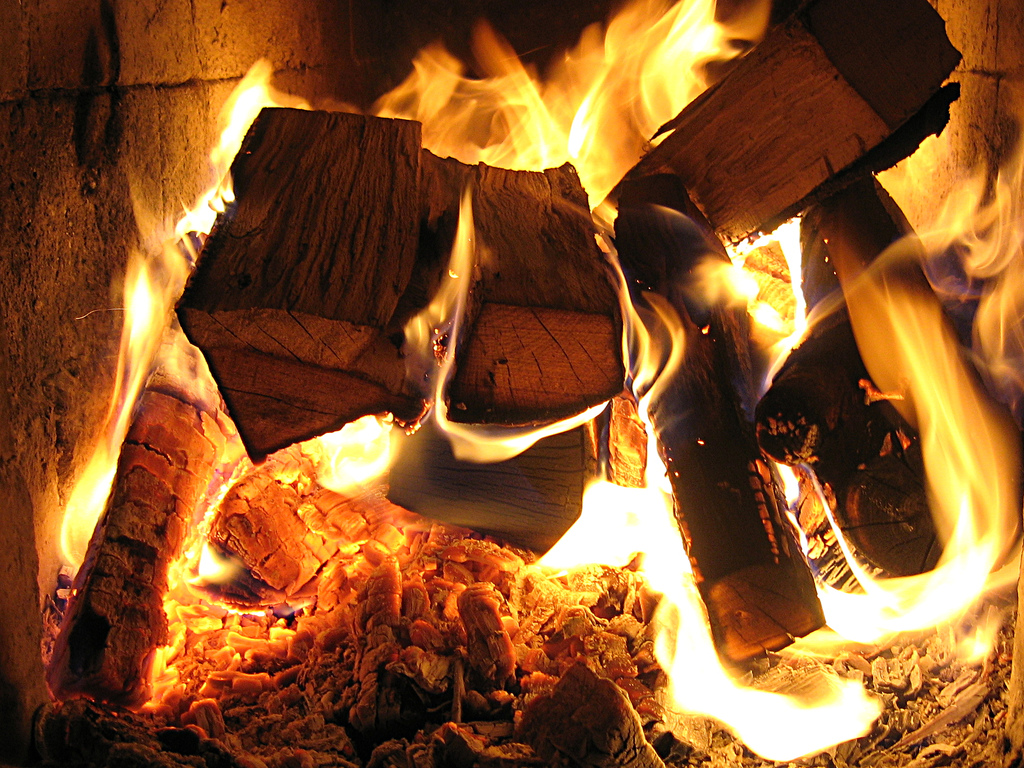
Environmental writer Mark Gunther loves wood heat, calling it a renewable energy technology that gets no respect. He calls it a “green” technology that appeals to poor and working class people. And, because gathering and distributing wood is labor intensive, it’s generates economic activity.”
We also love simple tech, and learning from the past; Mark writes “as is so often the case with environmental or health problems-think about excessive packaging, or overly-processed foods-solutions lie not in some futuristic technology but in the past.”
It’s actually poor people in this country who are at the forefront of not using fossil fuels, and they’re doing it without getting any money back.
So what’s wrong with this picture?
Even the cleanest stoves are still dirty
Mark writes, “The drawback of burning wood is that even efficient stoves produce some particulate pollution, so they should not be used in places like Los Angeles or Denver where smog remains a problem.”
That is a bit of an understatement. Even an EPA certified low emission stove puts out enough fine particle pollution in 2-1/2 days as a car does in a year. That’s why they have been banned in Montreal and a lot of other cities. They are not suitable for urban areas, period. And at the last census, 80% of the population of the United States was urbanized, so we are really talking a niche market here.
It doesn’t scale
A rule of thumb from woodheat.org is that ” a healthy, well-managed woodlot can yield half a cord of wood per acre per year forever” and that “a ten acre woodlot could sustainably produce enough firewood each year to heat a house.” That would mean that if there really are 15 million people using wood to heat their homes in American now, as Marc’s article suggests, then they are either getting it from 150 million acres of land, (1/5 of the entire forested area of America) or they are not managing …
There are no comments
Add yours